
"The Blueprint Before the Blueprint: A Client Checklist Before Meeting With an Architect"
A quick guide to help you, as a client, come as prepared as possible. We certainly don’t expect you to have it all 100% figured out (that’s what we’re here for!), but it is a major green flag when a client comes prepared having considered the items below.
1. The Project "Pieces" (The Program)
Before talking about aesthetics, we need to define the functional requirements. In our business, we call this the “Program”. The Program details spatial relationships, sizes, adjacencies, technical needs, and user activities. For example:
For Multi-Family: What is the desired unit mix (e.g., 60% one-bedroom, 40% two-bedroom)? Who is the target demographic?
For Restaurants: How many "covers" (seats) are required to hit financial break-even point?
For Offices: Does every manager need a private office? s this a client-facing space or a back-end operations hub?
2. Site Documentation & Legal Basics
Every building has a site and is subject to local zoning regulations. Having this information ready can save weeks of preliminary research.
The Deed & Title Report: Are there easements or "right-of-way" restrictions that prevent building on certain parts of the lot?
The Plat/ALTA Survey: A professional land survey showing property lines, existing structures, and utility hookups.
Commercial Lease/Letter of Intent: Your lease will usually contain guidelines we need to abide by. Knowing these from the start will ensure success.
3. The Budget
A common mistake is clients being "coy" about their budget. To provide a realistic design, we need to know:
Total Project Budget: This includes "hard costs" (construction costs) and "soft costs" (permits, design and engineering fees, etc), as well as “FF&E” (furniture, fixtures, and equipment).
Contingency Fund: Do you have a 10–15% buffer for the inevitable "unknowns" that arise during renovations?
4. The "Vibe" and Brand Identity
For commercial and hospitality clients, the architecture is an extension of their marketing.
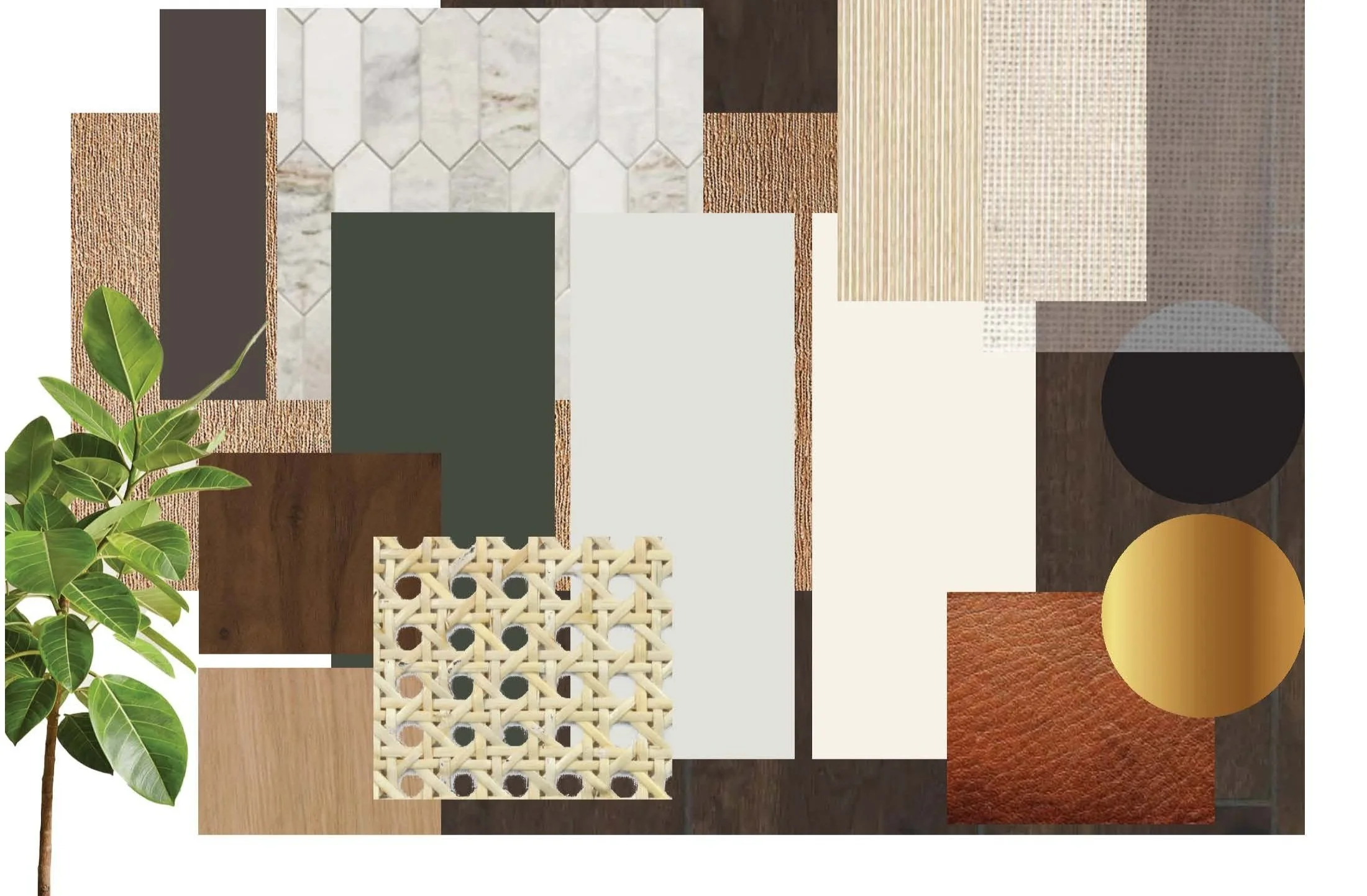
Inspiration Boards: Pinterest and Canva are amazing tools for this. It is very helpful for us to understand not just that you like a photo, but what specifically you like (i.e., “I like the style of cabinetry and wood finish they used here” not just “I like this kitchen”. )
Brand Standards: Do you have a logo, color palette, or existing brand guidelines for us to consider? These often help inform design moves from the start. Our goal is to have your physical space marry well with your digital brand.
5. Establish the Decision Maker(s)
"Too many cooks in the kitchen" can stall a project.
The Point of Contact: Who is the one person authorized to have the final say? Who can sign off on design changes and pay invoices?
The Stakeholders: Who else needs to be consulted (e.g., investors, board members, or head chefs)?